
Why Protein Powder Prices Are Rising, Especially Whey
A clear Bare Blends update on rising global protein powder demand, whey market pressure, manufacturing costs and how subscriptions can help you save.

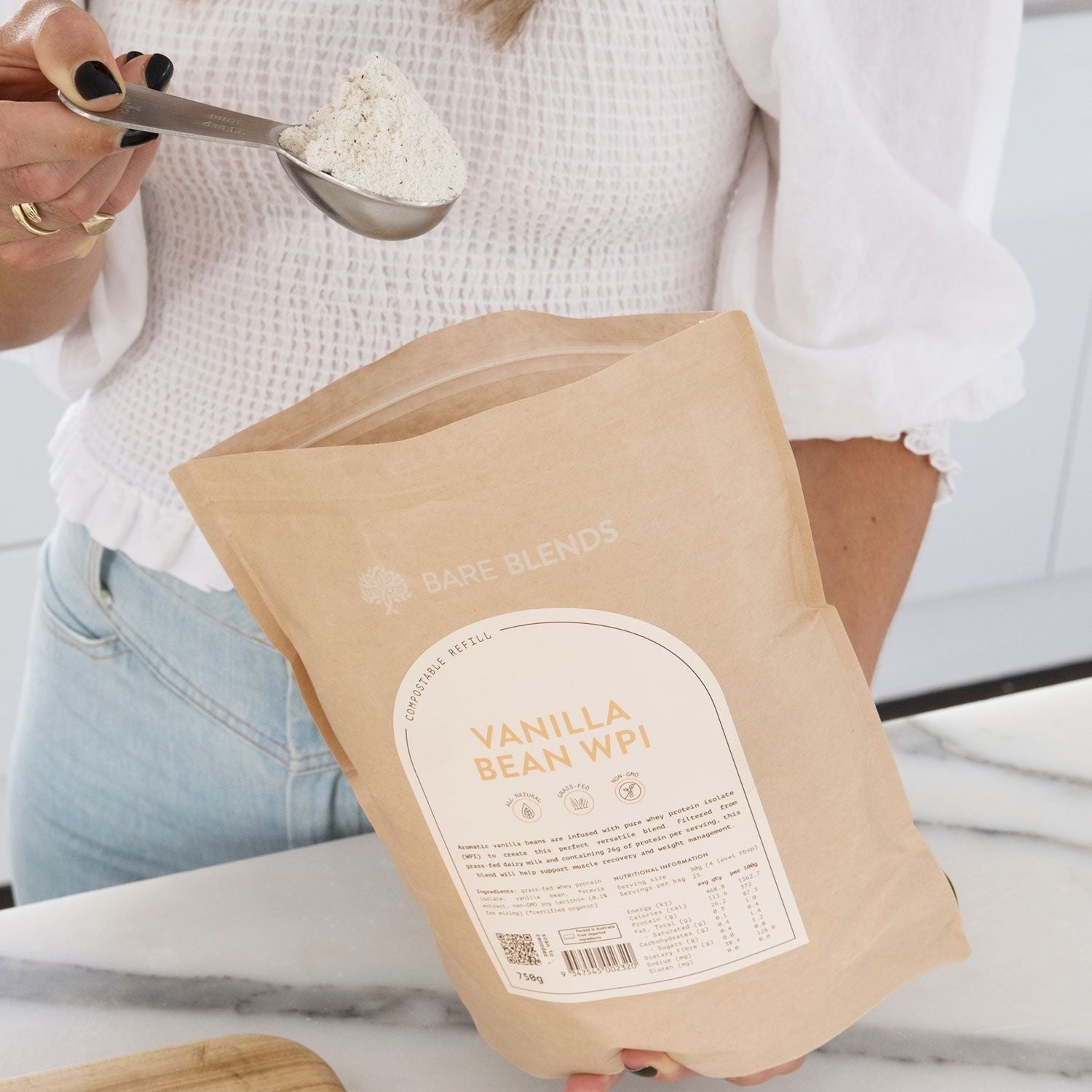
Protein powder has become part of everyday nutrition for millions of people worldwide, and that growing demand is reshaping the market. Protein has continued to grow in popularity as more people look for convenient ways to support daily protein intake.
Within that broader shift, whey protein has been under particular pressure across the last 12 to 18 months, with a mix of supply shortages, ingredient cost increases, manufacturing pressure and broader dairy-market changes all contributing.
We know price changes are never ideal. We also know many of our customers use our whey protein isolate, whey protein concentrate, or plant-based protein powders as part of a regular routine, so even small movements matter.
This is a clear update on what is happening in the global protein powder market, why whey has been especially affected, what it means for Bare Blends and how our new subscription service is designed to help regular customers save.
What is happening in the protein powder market?
Protein powder has moved well beyond the gym bag. More customers are using protein powders as part of everyday routines, whether that is whey protein, plant-based protein, collagen, functional blends or ready-to-drink options.
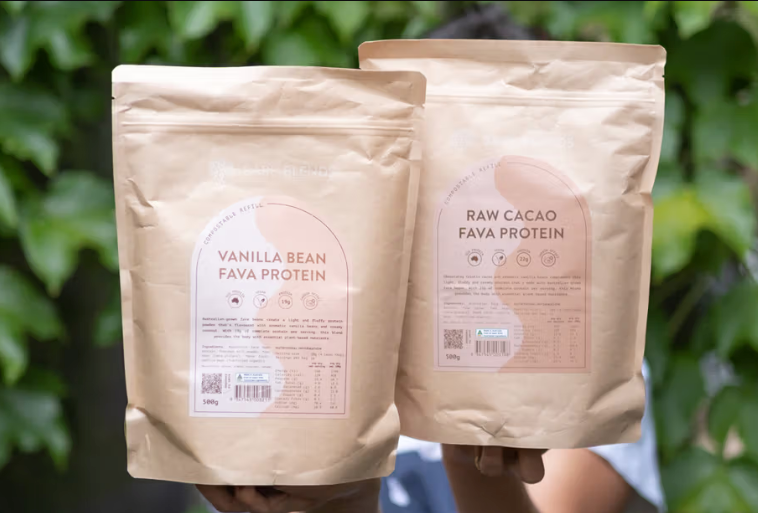
That wider demand matters because every protein format has a supply chain behind it. Whey starts with dairy. Plant proteins depend on crops such as pea and rice, as well as processing capacity, freight, packaging and exchange rates. Finished protein powders are affected by ingredient availability, factory capacity, energy and labour costs, freight, packaging, exchange rates and the availability of high-quality inputs.
Over the last 12 to 18 months, several pressures have been happening at the same time.
- Ingredient availability has tightened at points, particularly as demand for high-protein ingredients has stayed strong.
- Manufacturing costs have remained elevated, including labour, energy, compliance, freight and packaging.
- Dairy supply has been affected by weather, farm input costs and changing milk flows in key producing regions.
- Plant protein supply chains have also faced their own pressure, including crop availability, processing capacity, freight and global ingredient demand.
- Customers are still looking for high-protein products, but cost-of-living pressure has made value more important than ever.
This is not a simple case of one supplier increasing one price. It is a broader market issue flowing through the global protein supply chain, with whey particularly exposed because of the way dairy ingredients are produced, processed and traded.
Why demand for protein powder keeps growing
Demand has also grown because protein is now part of the mainstream food market, not just the sports nutrition aisle. Supermarkets now carry more products boosted with protein, from high-protein yoghurt and flavoured dairy drinks to protein bars, snacks, breakfast products, plant-based shakes and ready-to-drink options.
At the same time, more customers are buying protein powders for home use. Some choose whey for its complete amino acid profile, taste, texture and long history in sports nutrition. Others choose plant-based protein because they prefer a vegan or dairy-free option. The audience is much broader than bodybuilders or serious gym users. It now includes everyday shoppers who are paying more attention to protein as part of a balanced diet.
That shift has kept demand strong across both finished products and raw ingredients. More brands are competing for high-quality protein inputs, especially whey, while customers are increasingly looking for products that taste good, mix well and fit easily into regular routines.
What Bare Blends has done
For Bare Blends, the quality of the protein matters. Solubility, flavour, texture and consistency all shape the finished product, especially when the formula is kept intentionally simple.
That is why cheaper substitution is not the answer. We would rather protect the quality and consistency of our products than switch to an ingredient that does not meet the same standard.
We have worked hard to absorb as much of this pressure as possible. That means looking closely at every part of the business before passing costs on: manufacturing runs, ingredient purchasing, packaging, freight, operational efficiency and how we plan stock. We have also continued to prioritise small-batch production so we can maintain freshness, consistency and control.
We have kept our price rise as minimal as possible while staying committed to the things that matter to us: ingredient quality, simple formulations, transparent product information, small-batch production, reliable taste and texture, and products we are comfortable putting our name on.
We are not pretending market pressure does not exist. We are being upfront about it, because transparency is part of how we operate.
Why we are introducing subscriptions
Our Subscribe & Save program is designed to help customers stay stocked with the right amount of protein for their routine, while unlocking better savings the longer they stay consistent.
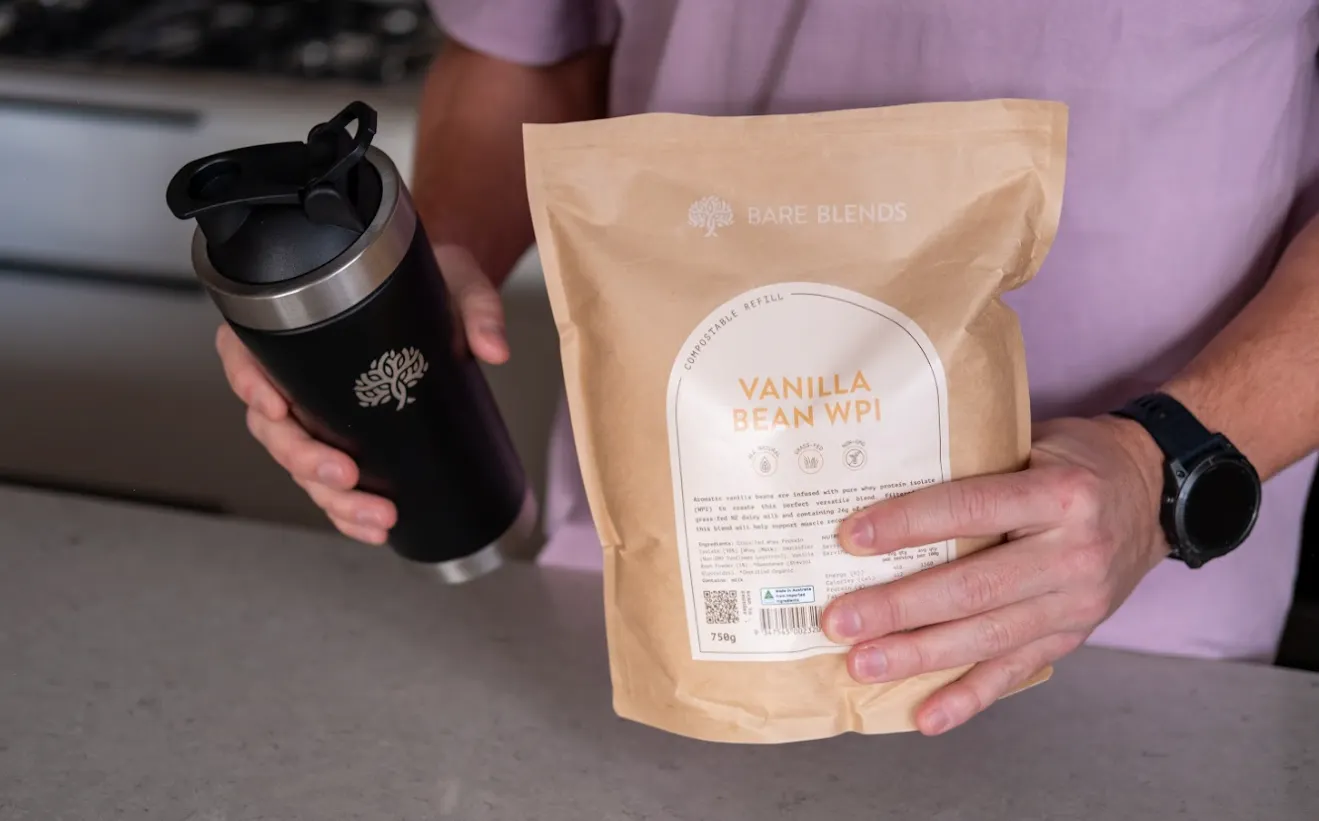
Subscriptions are built around a 90-day supply model. Each subscription starts with 3x protein bags, which works out to roughly five serves of protein per week over 90 days.
How the subscription savings work
The subscription discount increases as customers continue their subscription journey:
- 1st subscription order: 10% off eligible subscription products
- 2nd subscription order: 15% off eligible subscription products
- 3rd subscription order onwards: 20% off eligible subscription products
If you need more than the base 3 x 750 g protein bags, you can add additional protein to your subscription. Those extra bags receive the same subscription discount as the base subscription.
Once your proteins have been selected, you can also add other products to your subscription, such as our Boosters range. Eligible add-ons receive the same subscription discount tier.
For regular customers, this is the most practical way to reduce the impact of market-driven price increases while keeping your routine consistent.
Built to be flexible
The subscription model is built around consistency, but it is not designed to be rigid.
Customers can bring a subscription forward by up to one month if they are running low. Customers can also delay their next subscription by up to 30 days without penalty.
This helps keep the model fair. It rewards customers who are ordering close to a true 90-day supply, while still allowing some flexibility when routines change.
What this means for customers
We cannot control every global market factor affecting protein powder, or every specific pressure affecting whey protein. What we can control is how we respond.
Our focus is to keep making products with the quality, simplicity and transparency customers expect from Bare Blends. Where pricing has had to move, we have kept the increase as minimal as possible. Where we can create a better way for regular customers to save, we are doing that through subscriptions.
If you use protein regularly, the new subscription service will be the best-value way to stay stocked with Bare Blends over time.
Sources and further reading
For customers who want to understand more about the broader dairy and protein ingredient market, these public industry sources are useful background reading:
- Dairy Australia Situation and Outlook reports, which cover Australian and global dairy supply, demand and cost pressures.
- CLAL dairy market data on sweet whey powder, which tracks international whey pricing.
- CLAL dairy market data on US whey protein concentrate production, using USDA production data.
Frequently Asked Questions
Why has Bare Blends increased protein powder prices?
Protein powders have become more expensive to source and manufacture because of broader ingredient demand, manufacturing costs, freight, packaging and other operating costs. Whey protein has been especially affected by dairy-market pressure and ingredient availability. We have absorbed as much of this as possible and kept our price rise as minimal as possible.
Has Bare Blends changed the quality of its whey protein?
No. Our priority is still ingredient quality, transparency and small-batch production. We would rather be honest about market-driven pricing pressure than compromise the product with lower-quality ingredients or unnecessary fillers.
How can I save on Bare Blends whey protein?
The new Bare Blends subscription service is designed to give regular customers better value. Eligible subscription products start at 10% off on the first subscription order, increase to 15% off the 2nd order, and increase to 20% off from the 3rd subscription order onwards.
How much protein is included in a subscription?
Subscriptions are built around a 90-day supply. Each subscription starts with 3 x 750 g protein bags, which is roughly five serves of protein per week over 90 days. Customers can add more protein if they need a larger 90-day supply.
Can I add other Bare Blends products to my subscription?
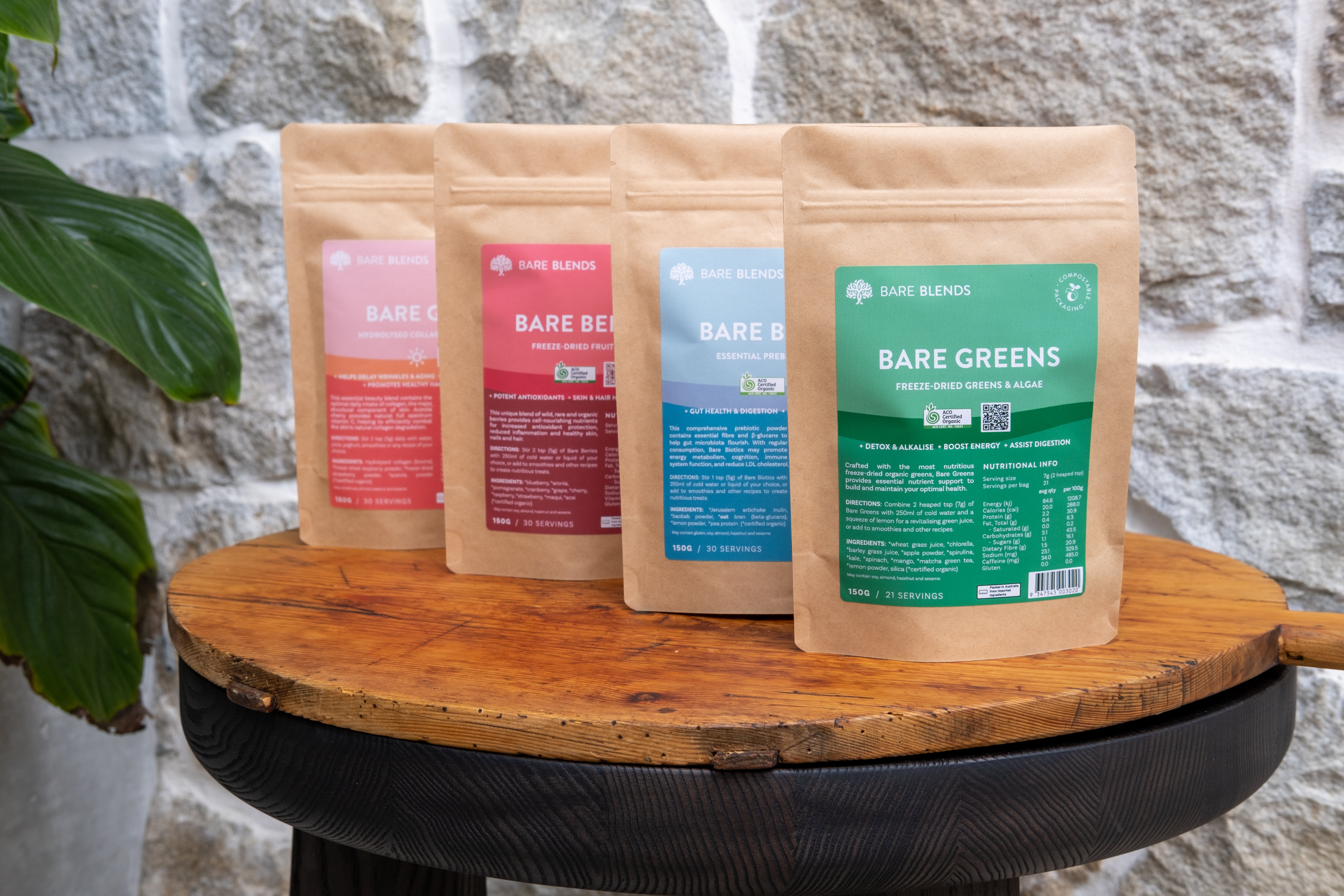
Yes. Once proteins have been selected, customers can add other eligible Bare Blends products such as Bare Greens, Bare Glow, Bare Biotics, Creatine, Boosters or selected accessories. Eligible add-ons receive the same subscription discount tier.
